 Flows ERP
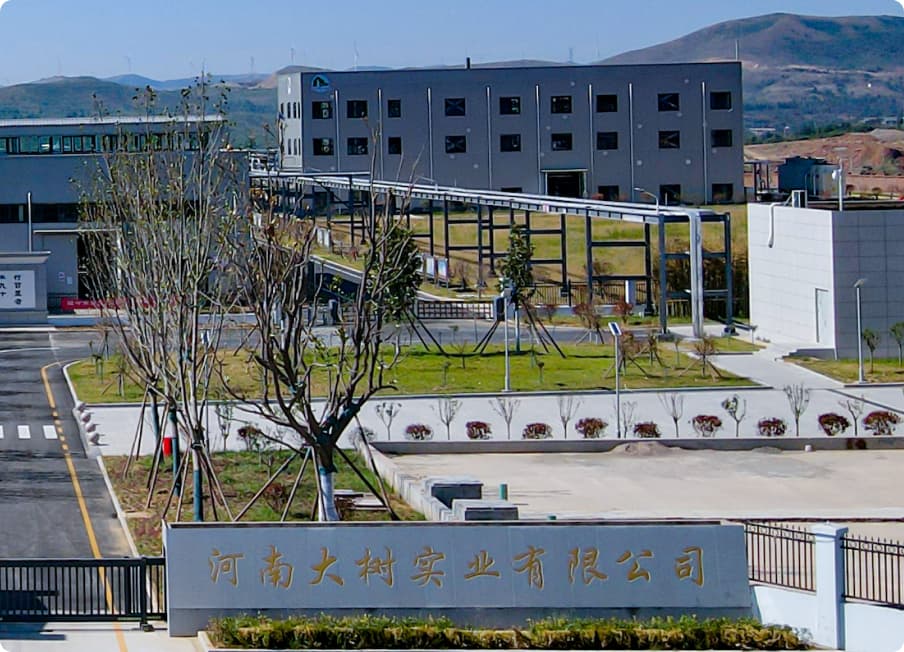
Dashu Industrial makes chemical raw materials and sells on credit, with deliveries going out almost daily. Receivables were calculated from delivery notes by hand, which took time and let payments drift. The company moved that work into Flows ERP.
About Dashu Industrial
Henan Dashu Industrial Co., Ltd has worked in latex for more than twenty years. Its three main products are styrene-butadiene, nitrile, and acrylate emulsions, made in what is now the largest new resin materials park in central China, with production lines of one hundred thousand tonnes for each of the three.
Where they use Flows ERP
Receivables
The problem. Every receivable came from a delivery note, so finance added up deliveries and worked out the aging by hand. It took hours, mistakes crept in, and because the numbers were always a few days old, money came back slowly.
With Flows ERP. Deliveries are recorded against the sales contract, and the contract's payment plan sets out what is due and when. Reminders come before the date, and finance can see the open amounts and their aging without adding anything up.
Orders shipped in batches
The problem. Orders ship in several batches, and it was hard to keep track of what had been delivered, invoiced, and paid.
With Flows ERP. Each delivery is recorded against the sales contract, so the quantity shipped, the amount invoiced, and the balance due are always clear.
Reconciling with customers
The problem. Customers reconcile on a regular cycle. Matching deliveries, invoices, and part payments across spreadsheets took most of a day, and until the reconciliation was agreed, the payment did not move.
With Flows ERP. The contract already holds the deliveries, the amounts, and every payment written off against them, so the finance team checks it on screen and exports the list to Excel. What used to take an afternoon takes minutes, and the payment is confirmed sooner.
The numbers behind decisions
The problem. Planning production and cash needed figures from several places at once, and pulling them together by hand was slow enough that decisions were made without them.
With Flows ERP. The data center shows receivables and their aging, money in and out, stock value and turnover, and sales by customer and product.
What they told us
Q: How did Flows ERP speed up collections?
A: Reconciliation used to be the bottleneck. Preparing the figures for one customer took hours, so confirmation was slow and payment was slower. Now it takes a few minutes. On top of that, the reminders and the aging view mean we start following up before an amount is badly late, which keeps bad debt down.
Q: Does it help with risk?
A: Cash is the lifeline for a manufacturer. Getting paid on time means we can handle a price jump in raw materials or a slow month without stress, and it gives us room to invest when we want to.
Q: What would you say to a similar company?
A: If your receivables are complicated, it is worth doing. My advice is to check whether the system fits your actual process rather than digitalising for its own sake, whether you can adjust it as you grow, and how fast support answers. Those three decided it for us.
“Flows ERP made our receivables clear and reconciliation simple, so money comes back to the account sooner. For a manufacturer, that is the part that matters.”
Frequently Asked Questions
How does Flows help when reconciling with a customer?
Everything a reconciliation needs sits on the contract: the deliveries, the amounts due by date, what has been paid, and what is left. The list exports to Excel, so finance can send it the same day.
Can Flows handle orders that ship in several batches?
Yes, each delivery is recorded against the sales contract, so you always see how much has been shipped, invoiced, and paid.